
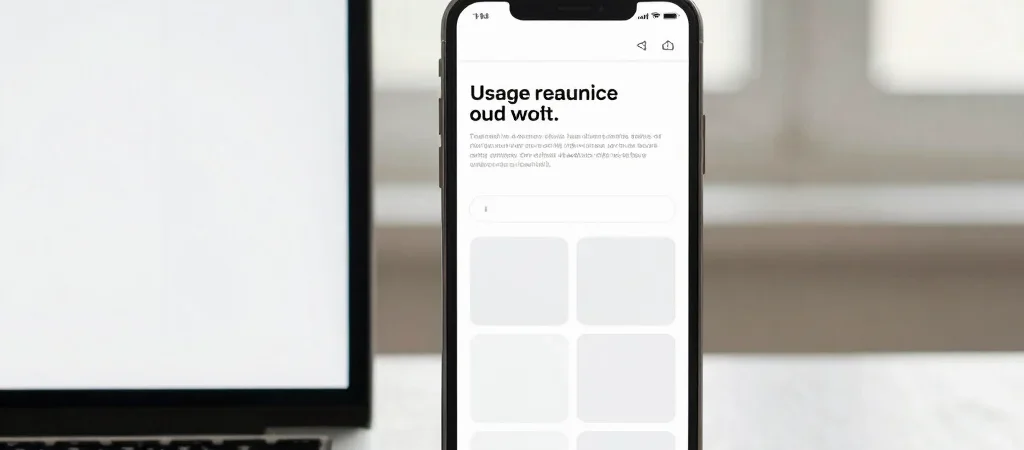
A colleague drops a resource page into a chat with no explanation. The recipient sees the preview for a moment and decides whether to open it. If the page title and introduction do not explain what it contains, that first impression leaves too much work for the person sharing it.
Give the Page Its Own Purpose
Treat each resource page as a small landing page, not a card enlarged into a full screen. Give it a specific title, a short introduction, and sections that explain how its links fit together. A page about onboarding resources, for example, should make clear whether it is for a first-day overview, a team checklist, or something else.
Keep a compact route back to the directory, but do not make the shared page depend on that directory for basic context. People may arrive directly from a message, bookmark, or search result. The page should identify its subject and offer a useful next step wherever they enter.
Write for the Preview
Use a page title that remains understandable outside the site’s navigation. Pair it with a concise introduction that describes the collection, rather than a vague welcome or a repeated heading. Those words help readers decide whether the page matches their need before they open its resource links.
A strong preview image supports the topic without competing with the title. Avoid visuals that promise a specific resource or feature the page does not contain. Clear page identity is more useful than decorative polish when someone is scanning a busy message thread.
Make Sharing a Real Action
Place copy-link or native sharing controls where they are easy to find, and give the copied URL a stable, readable path. Before sharing, check that the page works on a phone and that its sections and buttons remain easy to scan at a narrow width. A shared resource is often opened away from a desktop.
Finally, review the page as a recipient would: open its URL directly, read the introduction, and follow one link. If the page makes sense without extra explanation, it is ready to travel. A resource page should carry its context with it.